
When the skin reacts to the first rays of the sun with itching, blisters and redness, the well-deserved holiday quickly becomes a nightmare. We show you how to enjoy the summer days despite sun allergies.
Finally summer, sun, beach and sea: But instead of bathing fun and relaxation, about every tenth person has to deal with an unpleasant sun allergy. Most people take antihistamines and other medicines in the form of tablets, drops or juices - few are aware of the risks and side effects. Many suffer from severe fatigue and listlessness when taking the medication. In addition, antihistamines interact with many medicines and foods. We have the solution. But first a few facts:
The terms "sun allergy" or "light allergy" are used colloquially for the occurrence of skin reactions after sun exposure - whether these are actually allergies, i.e. overreactions of the immune system, is still unclear. Polymorphous light dermatosis (PLD) accounts for about 90 percent of all cases. The symptoms vary from patient to patient. Younger adults (often more women than men) and children are mainly affected.


Besides sun exposure, the triggers also include greasy sun creams and medicines - here experts speak of a photoallergic reaction. The symptoms often appear with a delay. Only hours or days after sunbathing does the sun allergy show its first signs. The skin begins to itch and burn. Reddish spots and blisters often appear. The typical symptoms occur when the skin has not been exposed to sunlight for a long time. This makes it all the more important to enjoy the first sunbath with caution. Pay special attention to the shoulders, décolleté and neck when applying sunscreen. Clothing offers you the safest protection from UV rays. Also, give your skin a few days to get used to the sun's rays. Our high-quality sun protection products prevent skin changes with appropriate protection factors.
Sun Vital Sun Care
More and more people are looking for an alternative to medicines and are turning to natural remedies. Biophysical mineral salts can strengthen the skin texture and create a healthy balance. Many alternative practitioners and doctors recommend starting treatment with Biophysical Mineral Salts to prevent sun allergy at least four weeks before increased sun exposure. If possible, take the salts in the form of a cure even during the trip. For acute sun allergies, the biophysical mineral salt Ferrum Phosphoricum provides relief for many sufferers. For external treatment, treat your skin with an itch-relieving cream, often composed of the mineral salts Natrium Chloratum and Ferrum Phosporicum.
Our miracle cure: Sun Vital sun care. The mineral salts Calcium Phosphoricum, Ferrum Phosphoricum and Kalium Sulfuricum contained in the after-sun strengthen the skin's own protective function. At the same time, they have an energising effect, promote elasticity, firm the connective tissue and build up and regenerate the epidermis. Supply your skin with high-quality ingredients from nature. Apply the lotion generously to the face and body after a sun-intensive day and prevent sun allergies.

Biophysical mineral salts in Sun Vital
Sun Vital Sun Protection contains:
Ferrum Phosphoricum, Natrium Chloratum, Manganum Sulfuricum and Zincum Chloratum.
Sun Vital After Sun Lotion is enriched with:
Calcium Phosphoricum, Ferrum Phosphoricum, Kalium Sulfuricum and Silicea.

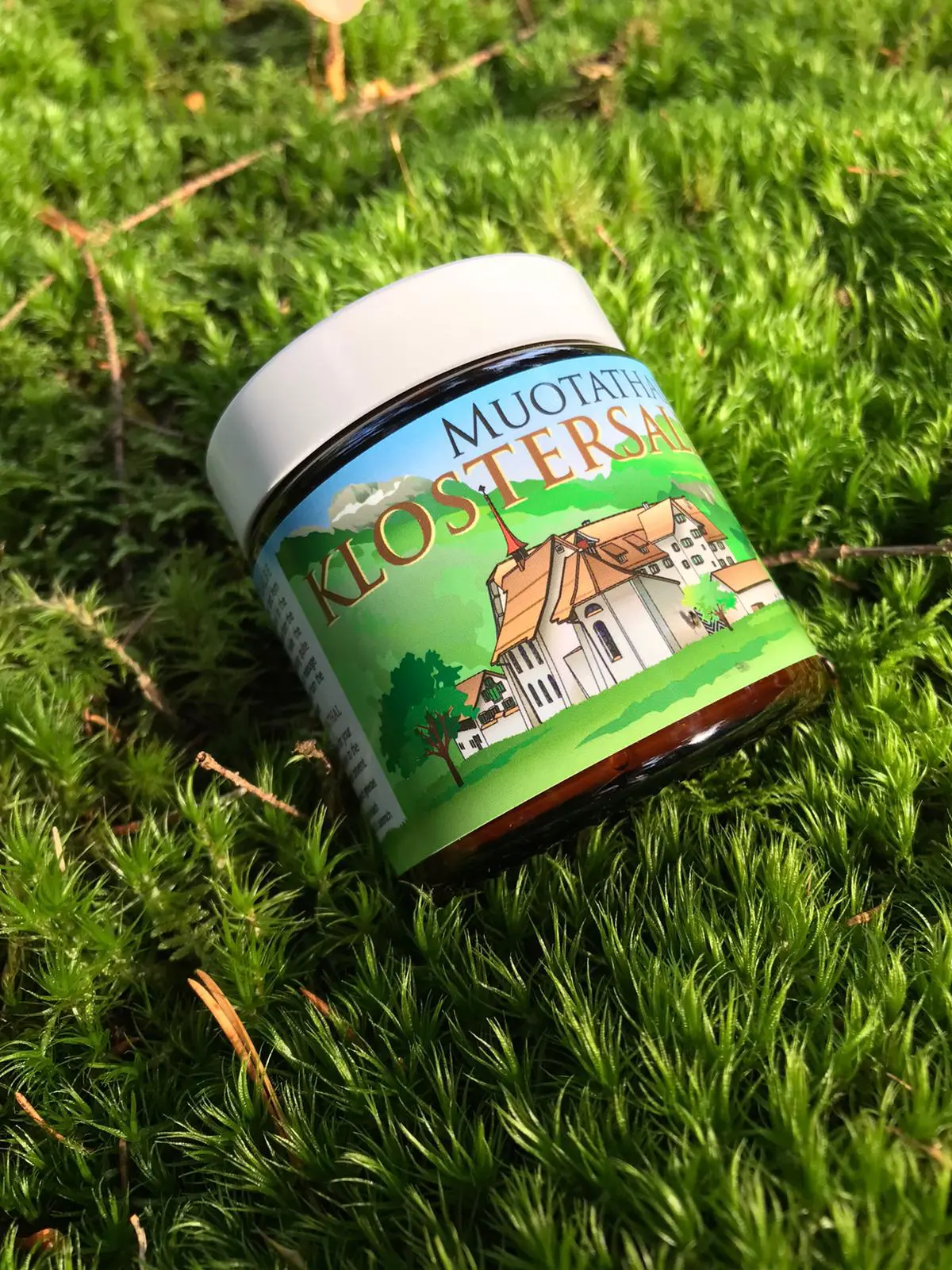
Reach for the Muotathal monastery ointment at the first signs of a slight sunburn. With the power of fresh buds from the Bödmeren primeval forest, you serve the well-being of your skin.
Biophysical mineral salts do not replace medication and should be used carefully. It is important to respect the limits of self-medication. If you are unsure, please seek professional advice, ideally from your local pharmacy.
We wish you pleasant sunny days.
Muotathal Monastery Ointment
With three biophysical mineral salts: Ferrum Phosphoricum, Kalium Phosphoricum and Magnesium Phosphoricum.
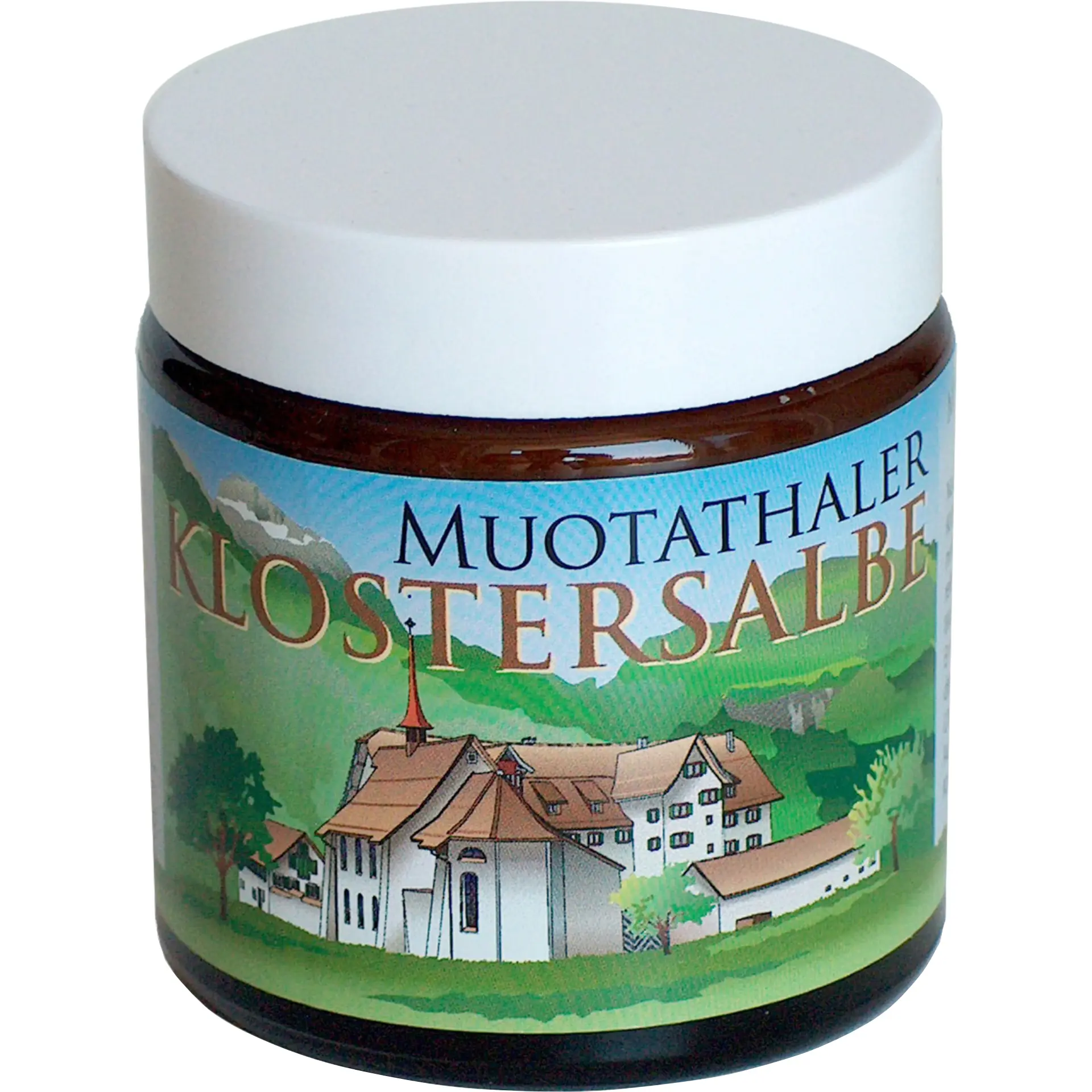
€37.90